Beyond Passenger Count: Additional Considerations
While group size is often the starting point when selecting a charter aircraft, it is only one of several factors that should be evaluated. The right aircraft must also align with the mission profile, travel distance, passenger expectations, baggage requirements, and destination accessibility. By considering these elements together, travelers can ensure a seamless, efficient, and comfortable journey.
Travel Distance
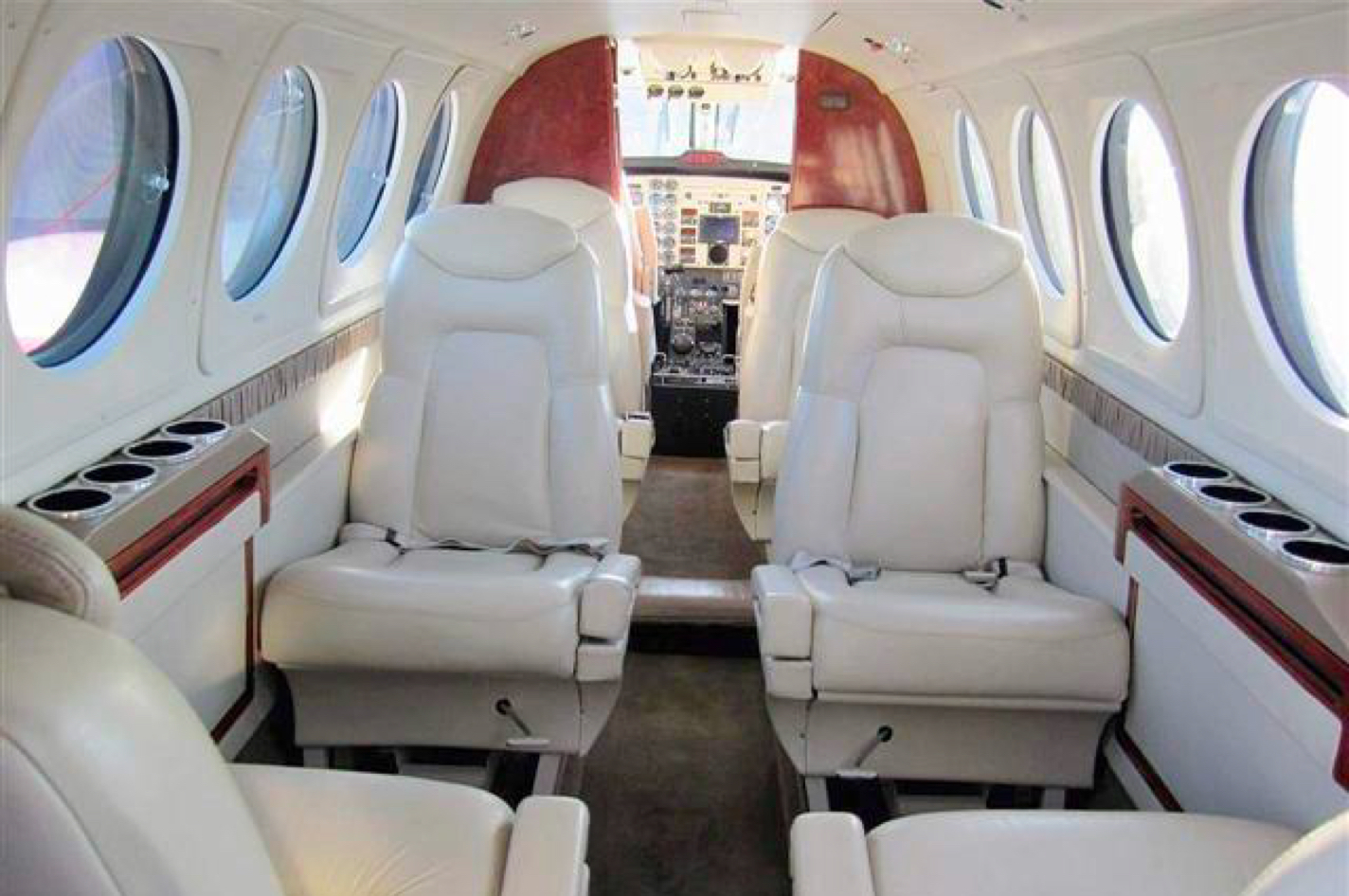
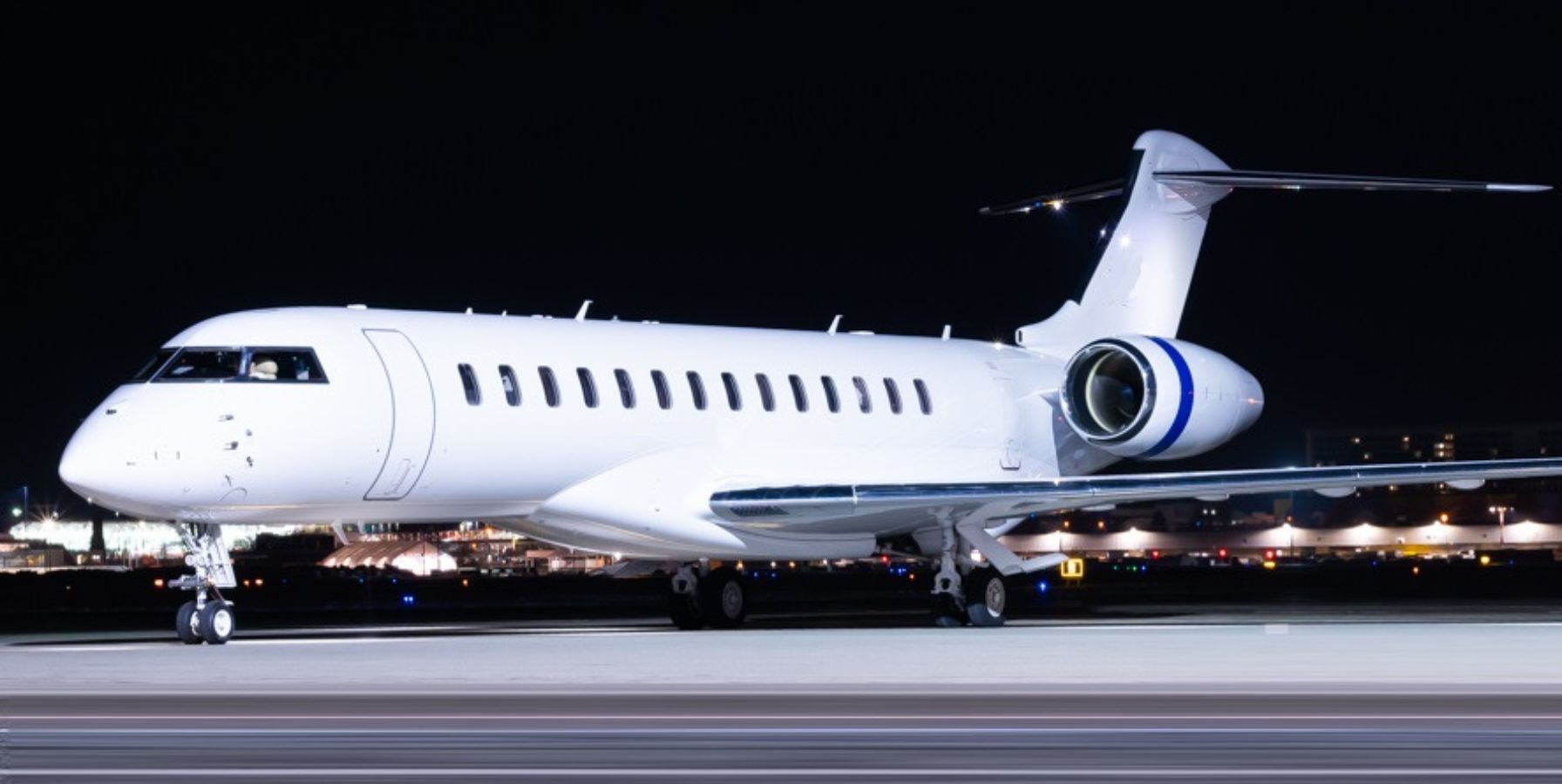
The distance of your journey plays a significant role in determining the most suitable aircraft. A short regional flight may be well suited to a turboprop such as the King Air B200, while longer cross-country or international itineraries often require larger jets capable of flying greater distances without refueling stops. Aircraft with extended range capabilities can provide more direct routing, reduce overall travel time, and minimize disruptions associated with fuel stops.
For business travelers, nonstop flights can maximize productivity and allow for tighter schedules. For leisure travelers, greater range means spending less time in transit and more time at their destination. Selecting an aircraft with the appropriate range ensures the journey is both efficient and convenient.
Baggage Requirements
Passenger count alone does not always reflect the overall space required onboard. The volume and type of luggage can significantly influence aircraft selection. While a group of six executives traveling with carry-on luggage may fit comfortably in a light jet, the same number of passengers traveling with golf clubs, ski equipment, oversized luggage, or event materials may require a larger aircraft.
Common items that can affect aircraft requirements include:
- Golf clubs and sporting equipment
- Skis and snowboards
- Trade show displays and presentation materials
- Photography and production equipment
- Extended-stay luggage
- Pet carriers and associated travel supplies
Larger aircraft typically provide increased baggage capacity and more accessible storage compartments, helping ensure both passengers and belongings can travel comfortably.
Airport Access
One of the greatest advantages of private aviation is the ability to access airports that are unavailable or impractical for commercial airline service. However, not every aircraft can operate from every airport.
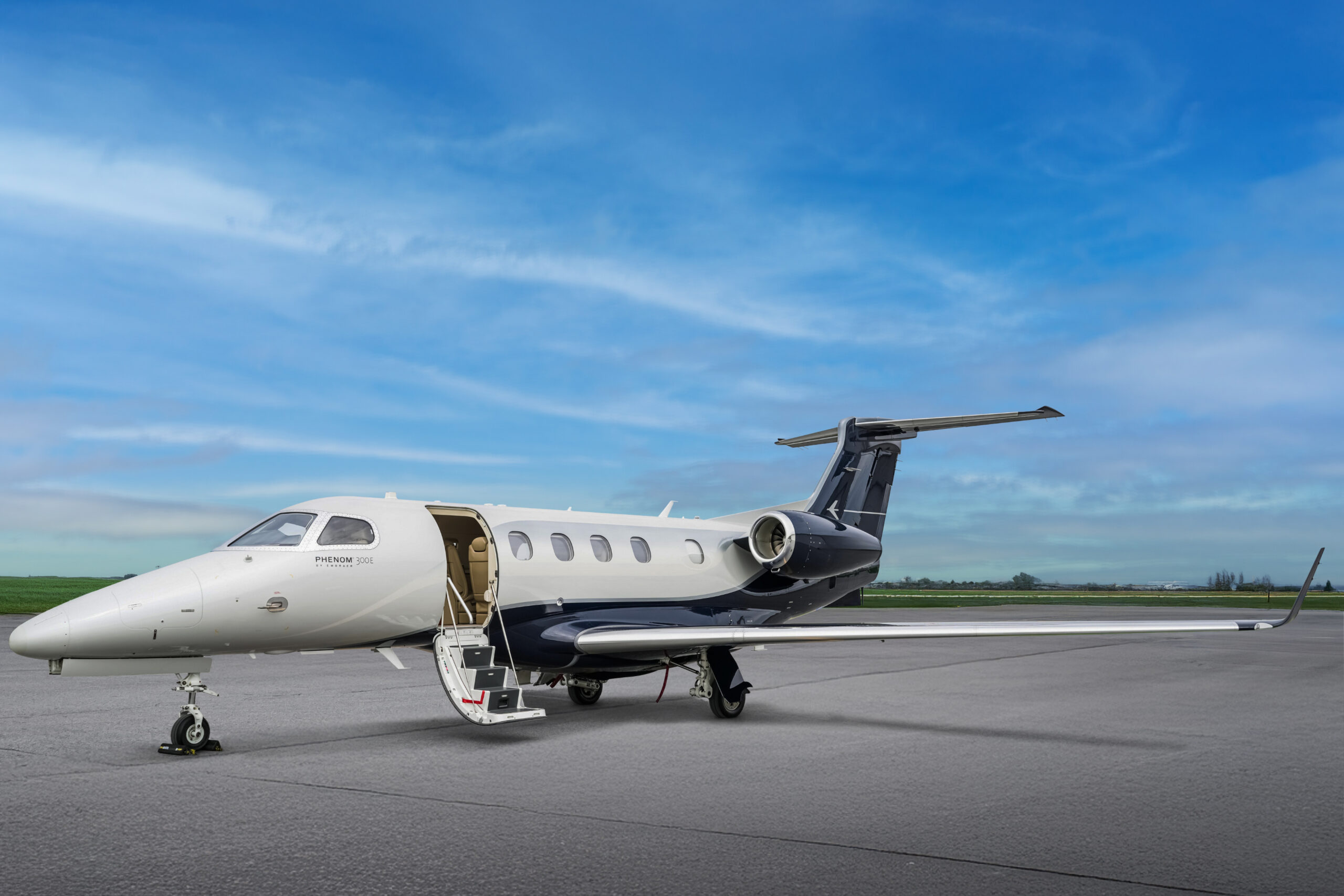
Factors such as runway length, airport elevation, terrain, and operating restrictions can influence which aircraft are best suited for a particular destination. Smaller aircraft and turboprops can often access regional and municipal airports located closer to the traveler’s final destination, reducing ground transportation time and increasing overall convenience.
For business travelers heading to remote locations or leisure travelers visiting exclusive destinations, selecting an aircraft that can efficiently operate at the desired airport can significantly enhance the overall travel experience.
Cabin Comfort and Onboard Experience
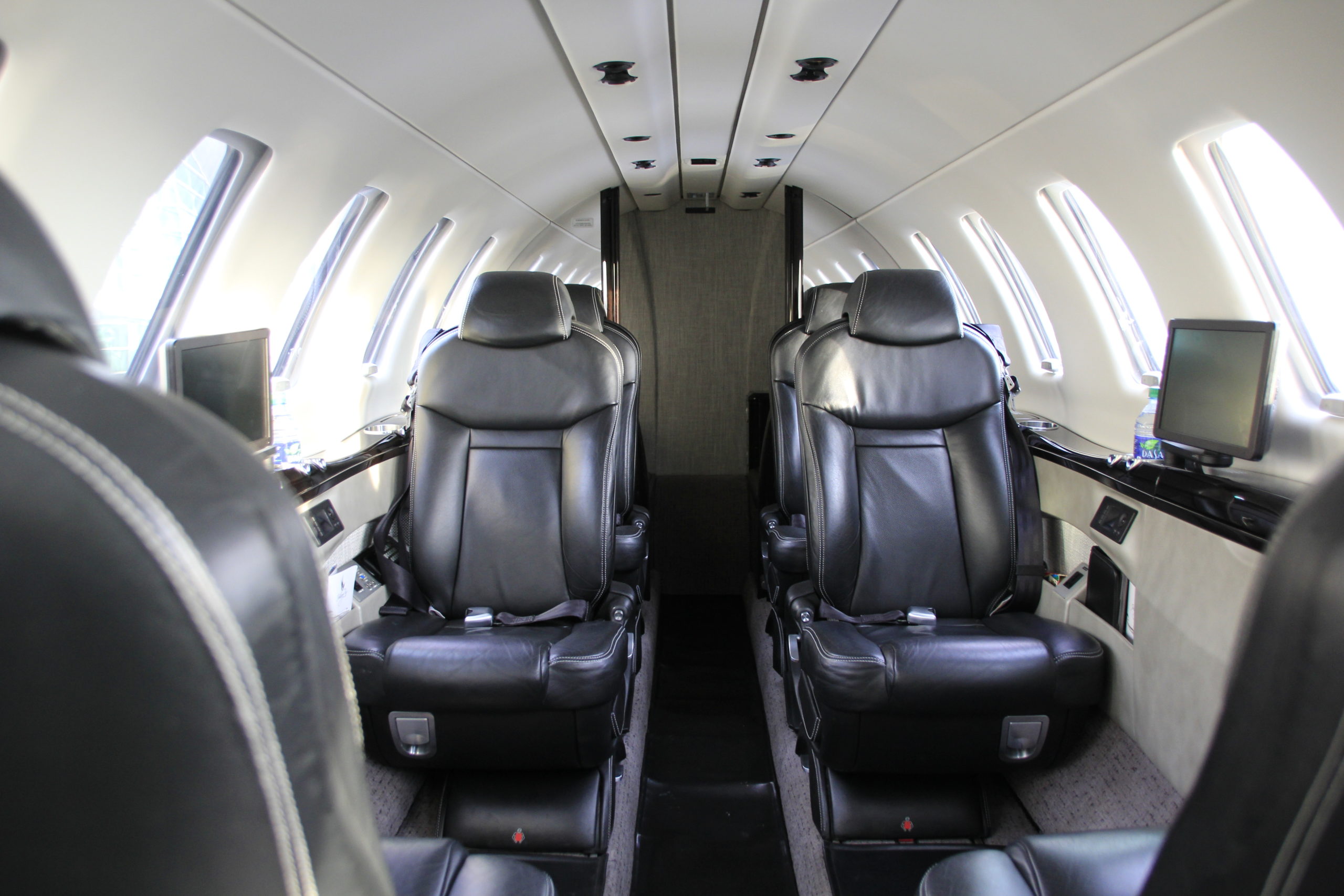
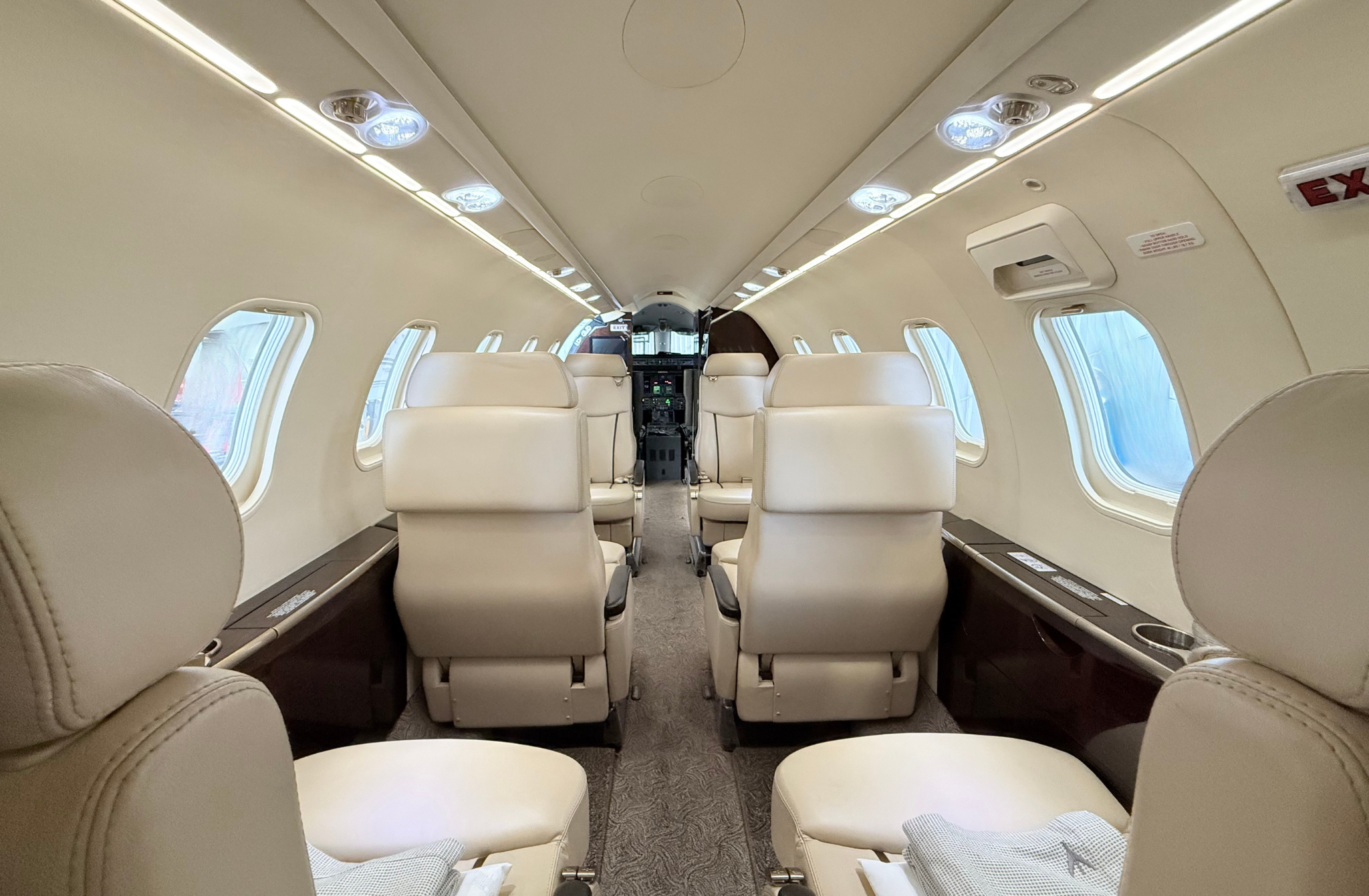
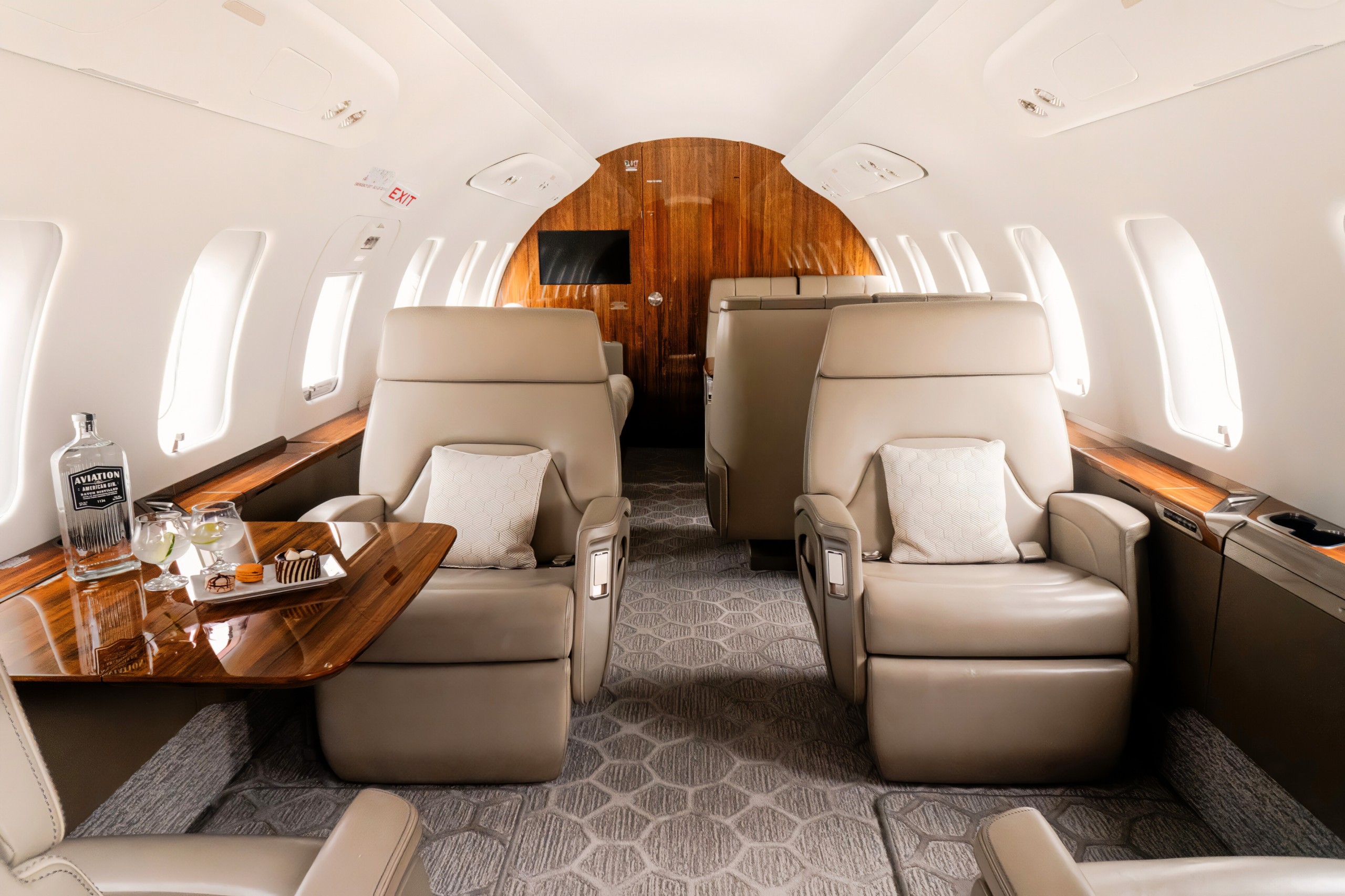
As flight duration increases, passenger comfort becomes increasingly important. While small jets offer an excellent experience for shorter journeys, longer flights often benefit from larger cabins that provide additional personal space and enhanced amenities.
Depending on the aircraft, passengers may enjoy features such as:
- Spacious stand-up cabins
- Reclining executive seating
- Conference-style seating arrangements
- Enhanced privacy
- In-flight entertainment systems
- Refreshment and dining facilities
- Wi-Fi and connectivity options
- Dedicated workspaces
Productivity for Business Travel
For many corporate travelers, the aircraft serves as an extension of the office. In these cases, cabin layout and onboard amenities may be just as important as passenger capacity.
Aircraft with larger cabins allow executives to:
- Conduct meetings in flight
- Collaborate on presentations
- Stay connected with clients and colleagues
- Work comfortably on laptops and mobile devices
- Hold confidential discussions in a private environment
The ability to remain productive while traveling is one of the primary reasons many organizations choose private aviation, particularly for time-sensitive business trips.
Purpose of the Trip
The nature of the journey can also help determine the ideal aircraft. Different travel objectives often have different operational requirements.
For example:
- Corporate travel may prioritize efficiency, productivity, and schedule flexibility.
- Family vacations may emphasize comfort, baggage capacity, and convenience.
- Group events may require additional seating and luggage accommodations.
- International travel may demand greater range and enhanced onboard amenities.
- Executive and VIP travel may focus on privacy, luxury, and premium cabin experiences.
Understanding the primary purpose of the trip helps ensure the selected aircraft aligns with passenger expectations and travel goals.
Selecting the Right Aircraft for Every Mission
Ultimately, choosing the right charter aircraft involves balancing several considerations, including passenger count, travel distance, baggage requirements, airport accessibility, and desired comfort level. An aircraft that perfectly suits one trip may not be the best choice for another, even with the same number of passengers.
Working with experienced charter specialists helps ensure every aspect of the journey is considered, resulting in an aircraft recommendation that delivers the ideal combination of performance, efficiency, comfort, and value. Whether flying a small executive team, a family group, or a larger corporate delegation, selecting the right aircraft ensures a superior private aviation experience from departure to arrival.