


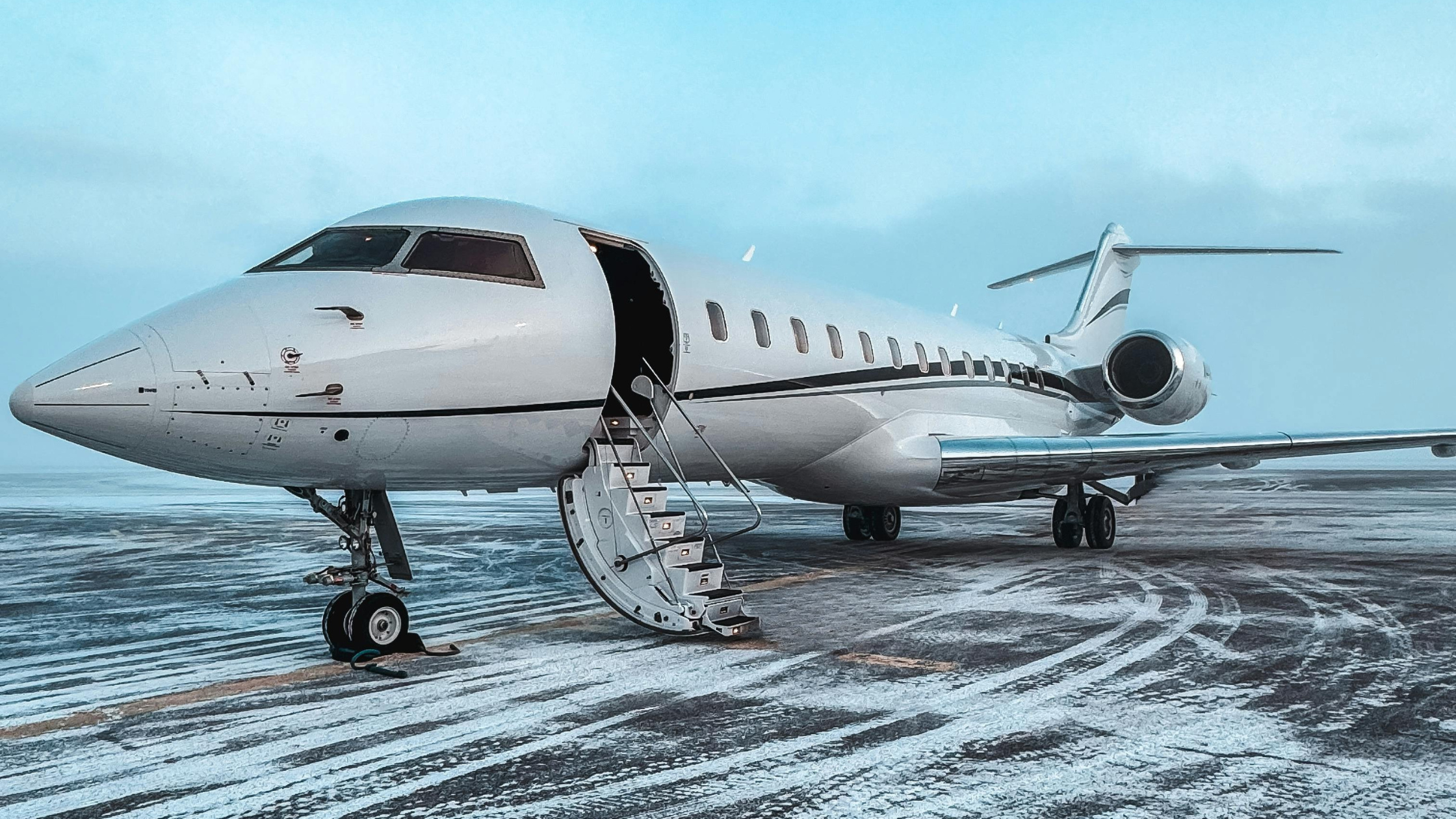
Private Jet Capabilities: Your Complete Guide to Private Flight Options


Private jet capabilities have evolved dramatically over the past decade, offering unprecedented flexibility and performance for business and leisure travelers. Whether you’re considering private flight options for the first time or looking to understand what modern private jets can truly accomplish, this comprehensive guide answers the most common questions about private aviation.
At Execaire Aviation, we’re frequently asked about the capabilities and limitations of private aircraft. With decades of experience in aircraft management, maintenance, and charter operations across Canada, we’ve compiled this guide to help you understand what’s possible in modern private aviation.

Understanding Private Jet Landing Capabilities
Can Private Jets Land Anywhere?
Private jet capabilities extend far beyond commercial aviation when it comes to airport access. While private jets cannot land anywhere, they have significantly more flexibility than commercial aircraft. According to the National Business Aviation Association (NBAA), private jets can access over 5,000 airports in the United States alone, compared to roughly 500 served by commercial airlines.
The key factors determining where a private jet can land include runway length, surface conditions, weight restrictions, and local regulations. Most light jets require runways of 3,000 to 4,000 feet, while larger jets may need 5,000 feet or more.

Do Private Jets Fly to Smaller Airports?
One of the most valuable private jet features is the ability to utilize smaller regional and municipal airports. This capability dramatically reduces ground transportation time and allows travelers to land closer to their final destination. Private flight options include access to:
• Executive airports near city centers
• Regional airports bypassing major hubs
• Resort destinations with limited commercial service
• Remote locations for business or recreation
This accessibility is a major advantage in the private vs commercial debate, as commercial airlines are restricted to larger airports with specific infrastructure requirements.
At Execaire Aviation’s facilities in Toronto, Montreal, Ottawa and Halifax, we regularly service aircraft that utilize smaller regional airports, giving our clients the flexibility to land closer to their final destinations and maximize their time efficiency.
Can a Private Jet Fly to Antarctica?
Yes, certain private jets have the capability to reach Antarctica, though it requires specialized aircraft and planning. Long-range jets like the Gulfstream G650 or Bombardier Global 7500 possess the range and performance needed for this extreme destination. However, flights to Antarctica require:
• Extended-range fuel capacity
• Cold weather operational certification
• Specialized survival equipment
• Landing rights and support infrastructure
Several charter operators offer private flights to Antarctica for scientific expeditions, adventure tourism, and special events.

Private Jet Range and Distance Capabilities
How Far Can a Private Jet Fly?
Private jet capabilities vary significantly based on aircraft class. Range is one of the most important private jet features to consider when evaluating private flight options:
• Light jets: 1,500 to 2,500 miles (3-5 hours)
• Midsize jets: 2,500 to 3,500 miles (5-7 hours)
• Super-midsize jets: 3,500 to 4,500 miles (7-8 hours)
• Heavy jets: 4,500 to 7,500 miles (9-14 hours)
• Ultra-long-range jets: 7,500+ miles (14+ hours)
Which Private Jet Is Best for Flights from North America to Europe?
For transatlantic flights from North America to Europe, heavy and ultra-long-range jets offer the best private flight options. Top performers include:
- Gulfstream G650ER: With a range of 7,500 nautical miles and cruise speed of Mach 0.85, the G650ER can fly nonstop from New York to virtually any European destination with exceptional comfort.
- Bombardier Global 7500: Offering a range of 7,700 nautical miles, this aircraft features four distinct living spaces and industry-leading cabin pressure altitude.
- Dassault Falcon 8X: With 6,450 nautical miles of range, the Falcon 8X provides excellent transatlantic capability with fuel efficiency and a smooth ride.
These aircraft demonstrate superior private jet capabilities for long-haul international travel, with spacious cabins, advanced amenities, and the ability to fly nonstop on most transoceanic routes.
What’s the Longest Private Jet Flight Ever Recorded?
The longest private jet flight ever recorded was completed by a Bombardier Global 7500, flying 8,152 nautical miles from Singapore to Tucson, Arizona. This remarkable flight took approximately 16.5 hours and showcased the cutting edge of private jet capabilities in terms of range and endurance.
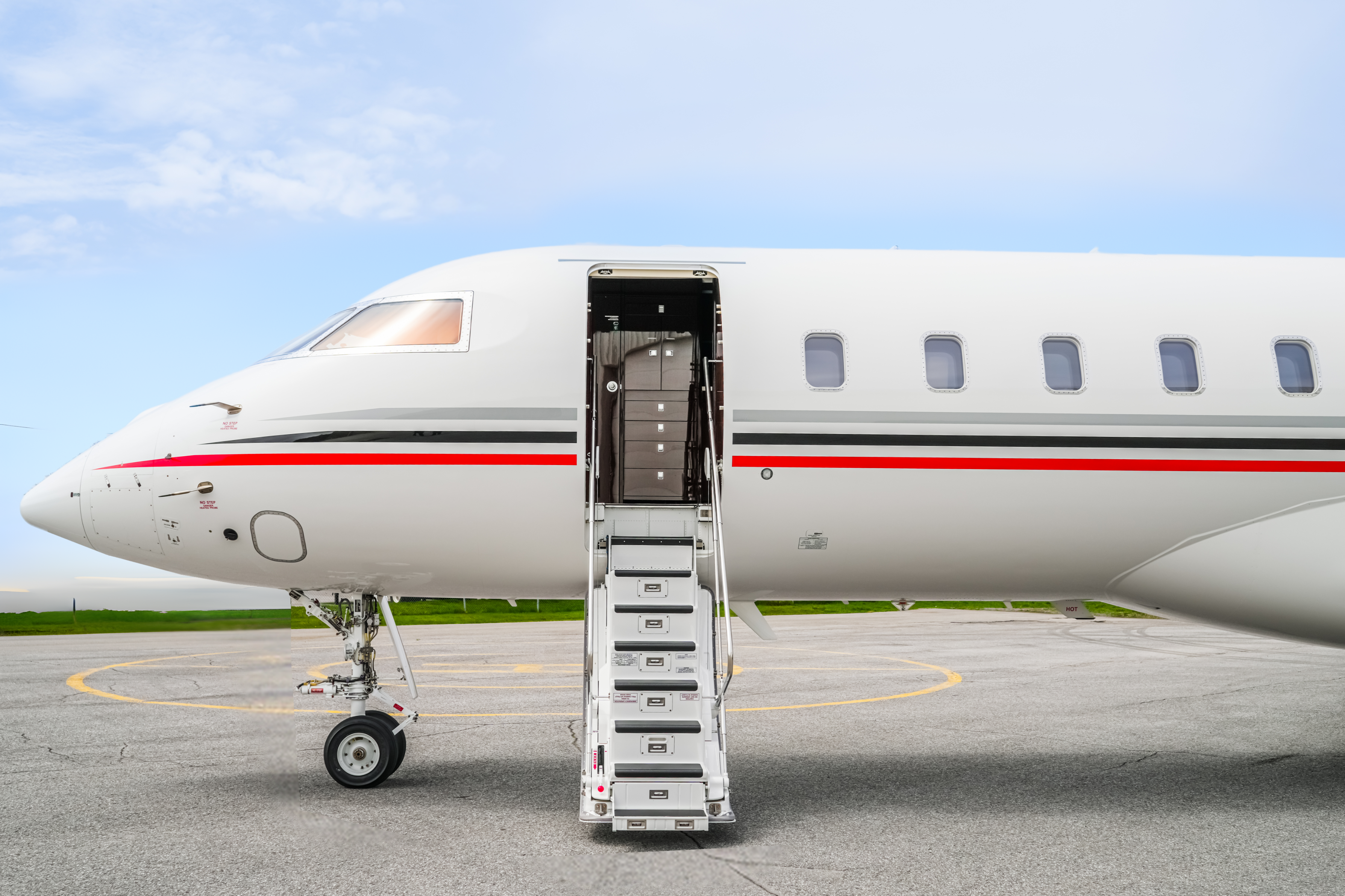
Private Jet Performance and Speed
How Fast Can a Private Jet Really Go?
Private jet capabilities in terms of speed are impressive, with most modern jets cruising between 450 and 550 mph. However, some aircraft push these limits:
• Cessna Citation X+: Mach 0.935 (717 mph) – the fastest civilian aircraft
• Gulfstream G700: Mach 0.925 (710 mph)
• Bombardier Global 8000: Mach 0.94 (721 mph)
Can a Private Jet Fly Faster Than a Commercial Plane?
In the private vs commercial comparison, private jets typically cruise at similar or slightly faster speeds than commercial airliners. Most commercial jets cruise at Mach 0.80-0.85 (around 550-580 mph), while high-performance private jets can reach Mach 0.90-0.935.
The real time advantage comes not from raw speed but from direct routing, faster boarding, quicker ground operations, and access to airports closer to your destination. When you factor in the total trip time, private flight options often save 2-4 hours compared to commercial travel.
How Private Jets Manage and Avoid Weather
Modern private jets are designed around proactive weather management and avoidance rather than weather tolerance, leveraging advanced avionics, sophisticated weather radar, satellite based data, and flight management systems that allow pilots to anticipate and navigate around adverse conditions. Aircraft such as Bombardier’s Global series incorporate these capabilities to provide crews with detailed insight into storm cells, turbulence, icing potential, and wind patterns well in advance.
While turbulence is a natural atmospheric phenomenon that affects all aircraft, many business jets operate at higher cruise altitudes than commercial airliners, allowing them to climb above common weather systems and access smoother air more effectively. Combined with operational flexibility, including the ability to adjust departure times and routes, aviation offers a refined approach to minimizing weather impacts while maintaining the highest safety standards.
Flight Operations and Operational Flexibility
Private aviation flight operations emphasize informed decision making, situational awareness, and the ability to adapt to changing conditions. Changing a destination mid flight is possible, provided operational and regulatory requirements are met. These decisions depend on factors such as aircraft fuel reserves, air traffic control approval, crew duty limitations, and the suitability of the alternate airport. Runway length, hours of operation, prevailing weather, published NOTAMs, and customs and immigration requirements for international arrivals are all evaluated before a diversion is approved. Unlike commercial airlines, private operators can assess these variables dynamically, allowing flight plans to be adapted when conditions permit.
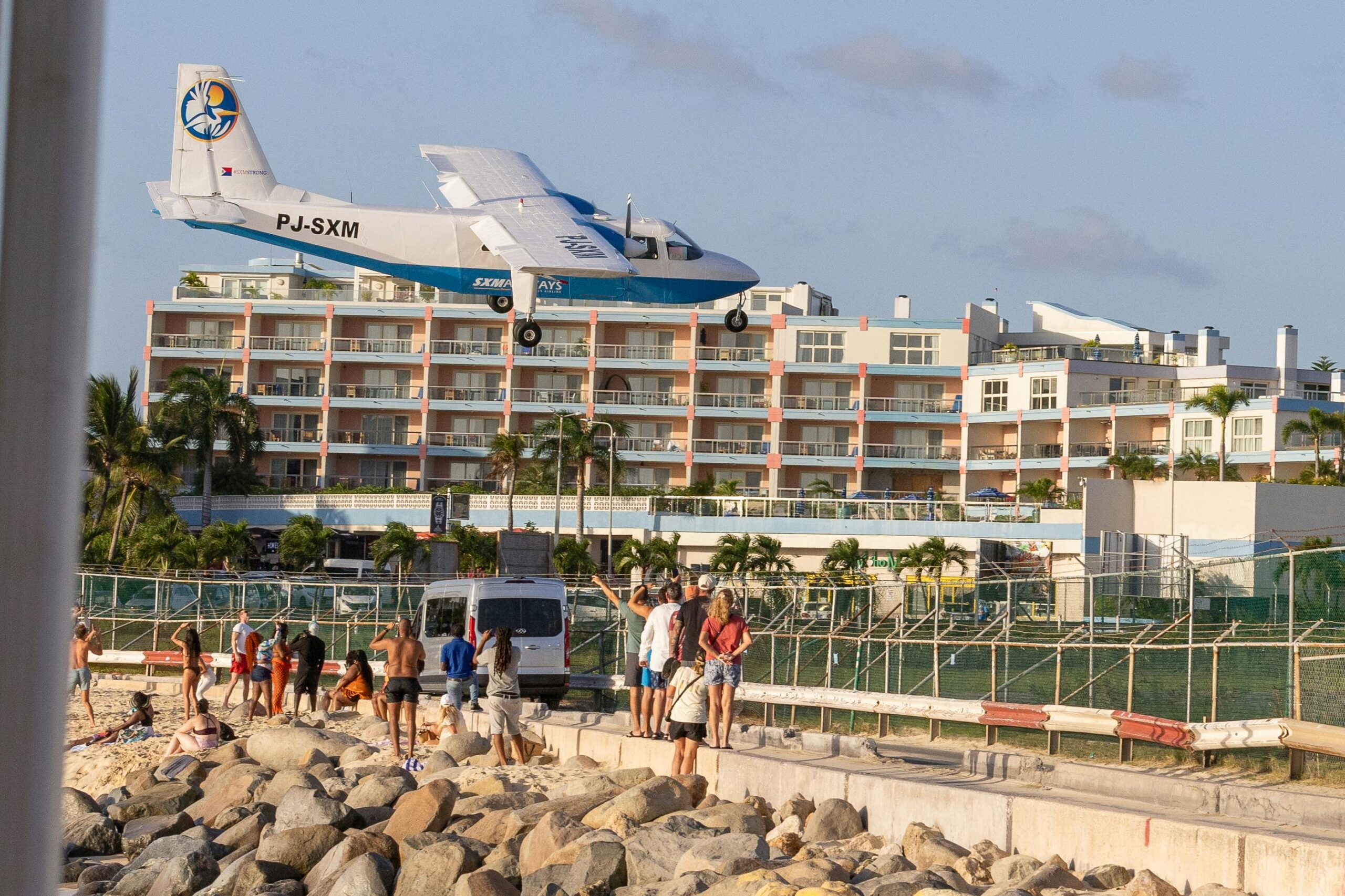
Airport suitability remains a critical consideration, particularly when operating into more demanding destinations that require experienced crews, specific aircraft performance capabilities, and detailed pre flight planning. Notable examples include:
• Innsbruck, Austria – Mountainous terrain and complex approach procedures
• Aspen, Colorado – High elevation and variable weather affecting aircraft performance
• Palm Springs, California – Surrounding terrain and seasonal wind conditions
• London City Airport, United Kingdom – Steep approach profile and strict performance requirements
• Sion Airport, Switzerland – Alpine valley location with specialized procedures
• Princess Juliana International Airport, St. Maarten – Precision approaches influenced by terrain and obstacles
These airports highlight the importance of detailed operational planning, pilot expertise, and careful airport assessment in delivering safe and adaptable private jet operations.
Can a Private Jet Fly with Just One Pilot?
Some private jets are certified for single-pilot operation, though this varies by aircraft type and regulatory requirements. Light jets and some midsize jets often have single-pilot certification, while larger jets typically require two pilots.
Factors determining crew requirements include:
• Aircraft complexity and systems
• Regulatory certification standards
• Insurance requirements
• Charter operation rules
• International flight requirements
In the context of private flight options, single-pilot operations are most common in owner-operated light jets, while charter operations and larger aircraft almost always operate with two-pilot crews for safety and service quality.
Supporting Your Private Aviation Needs
Private aviation offers capabilities that extend well beyond the limits of commercial travel, from access to a broader range of airports to nonstop intercontinental range and highly customized service. This includes the ability to tailor the cabin experience through a dedicated flight attendant, personalized service, and enhanced security, as passengers travel in a private cabin environment that is not accessible to the general public. Understanding factors such as aircraft range, airport suitability, operational planning, and onboard experience is essential when evaluating private flight options.
At Execaire Aviation, we bring decades of experience in aircraft management, maintenance, and charter operations, supported by IS-BAO Stage 3 and ARGUS Platinum Elite safety ratings. With four strategically located facilities across Canada and a team of more than 500 aviation professionals, we provide tailored solutions designed around each mission.
Whether you are exploring private aviation for the first time, comparing charter options, or considering aircraft ownership, our team is here to guide you through the process with expertise and care. Contact Execaire Aviation to learn how we can support your aviation needs from our Toronto, Montreal, Ottawa, and Halifax locations.
